
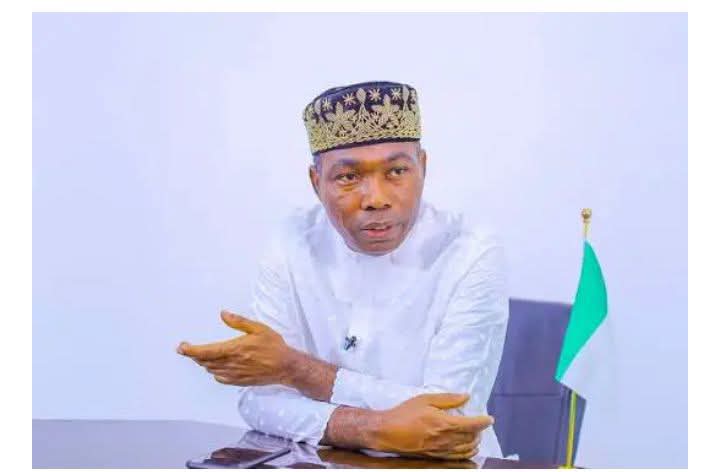
Prince Adewole Adebayo, the 2023 presidential candidate of the Social Democratic Party, SDP, criticized the economic management under former President Muhammadu Buhari’s administration, alleging fiscal failures while discussing governance, public finance, and accountability during an interview on national issues in Nigeria.
According to a video posted on the official YouTube channel of SYMFONI on Saturday, July 11, 2026, while discussing Nigeria’s economic management, he alleged, “the problem when former President Buhari was there was that they had total fiscal collapse and monetary insanity because they were stealing money from the government and diverting that money to buy forex.”
Adebayo argued that the situation reflected what he described as deep weaknesses in fiscal management, maintaining that the alleged diversion of public funds contributed to economic instability and complicated efforts aimed at strengthening transparency and accountability across government financial institutions nationwide.
He further claimed that fiscal and monetary policies failed to complement each other during the period, insisting the resulting conditions created distortions within the economy while making it increasingly difficult for institutions to effectively manage public resources and financial stability.
The former presidential candidate maintained that stronger accountability mechanisms, transparent public finance, and better coordination between fiscal and monetary authorities were necessary, arguing these measures would help restore public confidence and improve Nigeria’s long-term economic management and governance.
He also stressed the need for institutional reforms capable of promoting responsible resource management and effective oversight, saying such changes would reduce opportunities for financial mismanagement while encouraging sustainable economic growth and greater confidence in public administration across Nigeria.
In his concluding remarks, Adebayo reiterated that Nigeria required accountable leadership, transparent governance, and stronger institutions to achieve lasting economic stability, insisting meaningful reforms remained essential for rebuilding public confidence and preventing similar economic challenges in the future.